Wondering whether an HOA rule could change how you live, rent, or budget for a home in North Miami Beach? That is a smart question to ask before you buy. In this market, the fine print can affect everything from pets and parking to repairs and rental plans, so understanding the rules early can help you avoid costly surprises later. Let’s dive in.
Start With the Community Type
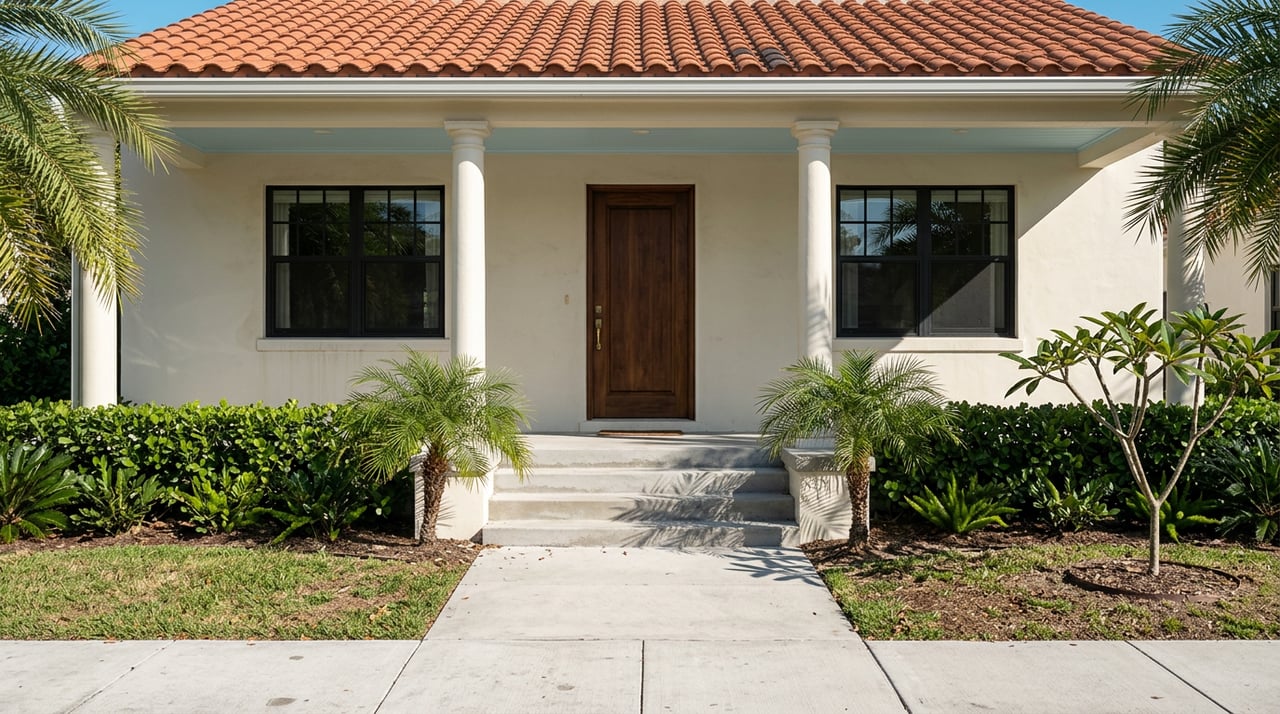
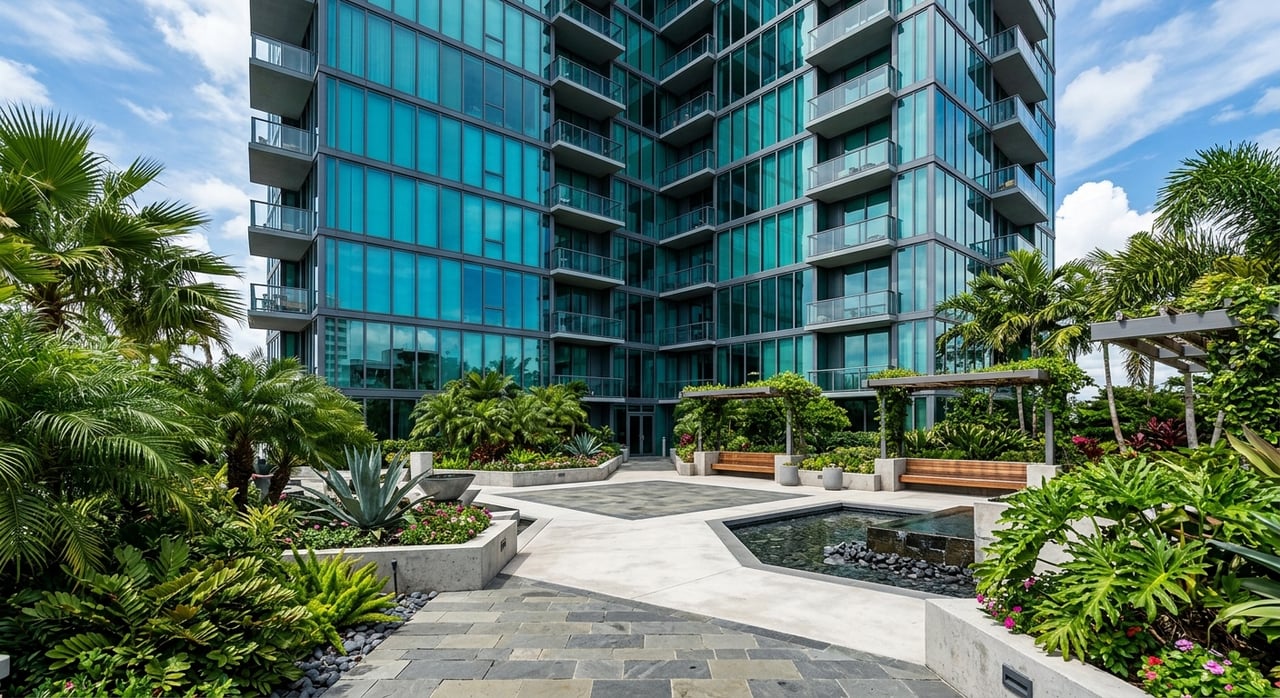
One of the most important first steps is figuring out whether the property is in a condominium or a homeowners' association. In Florida, these are not the same thing, and they are governed under different laws.
That distinction matters because your rights and responsibilities can change depending on the structure. The governing documents, including the declaration, bylaws, budget, and related disclosures, explain ownership rights, common expenses, maintenance duties, pet rules, and rental restrictions.
In a condominium, the association usually handles common elements unless the declaration says certain limited common elements are the owner's responsibility. In an HOA, exterior control and architectural authority only apply if the declaration or published guidelines give the association that power.
HOA Rules That Surprise Buyers Most
Many buyers focus on the home itself and only skim the association rules. In North Miami Beach, that can lead to avoidable problems after closing.
The most common surprises tend to fall into a few categories: pets, rentals, occupancy, fees, parking, and rule enforcement. These issues directly affect how you use the property and what it costs to keep it.
Pet Rules and Occupancy Limits
If you have pets, or plan to have guests stay for extended periods, review the rules carefully. Florida's buyer guidance specifically tells buyers to ask about pet policies and any limits on how many family members or guests may occupy the home.
Even if two communities look similar, their rules may be very different. A building or neighborhood may limit the type, number, or size of pets, or place restrictions on guest stays and occupancy patterns.
Rental Restrictions and Lease Plans
If you may rent out the property now or later, do not assume that is automatically allowed. Buyers should verify whether the community restricts renting, limits lease terms, requires transfer approval, or includes a right of first refusal.
These details often appear in the estoppel certificate and governing documents. Checking them before closing is especially important if you are buying with future flexibility or investment use in mind.
Assessments and Monthly Costs
Association costs are not just about the current monthly payment. Budgets and reserve language can help you understand whether carrying costs may rise after closing.
HOA budgets must show operating expenses and may include reserves. Condo budgets and financial reports also address reserves, and official records for condos include budgets, financial reports, inspection reports, and permits.
Special assessments also matter. The estoppel certificate can confirm regular assessments, special assessments, and other amounts due, giving you a clearer picture of what you may owe.
Parking and Garage Details
Parking rules can be more complicated than buyers expect. A unit may come with assigned parking, limited guest parking, garage restrictions, or parking-related violations that need to be resolved.
The estoppel certificate can identify parking or garage information tied to the specific unit or parcel. That makes it one of the most useful documents in your due diligence process.
Violations and Fines
If a property already has an open violation, that can affect your move-in and your costs. The estoppel certificate may show unresolved violations, which is one reason it should be reviewed before you close.
For HOAs, Florida limits fines to $100 per violation unless the governing documents say otherwise. The board must also give at least 14 days' written notice and a hearing before a committee before imposing a fine or suspension.
Florida also limits some suspensions so they cannot block normal pedestrian and vehicle access, including parking. That is useful to know if you are trying to understand how enforcement works in a specific community.
Exterior Changes Need Two Approvals
A common mistake in North Miami Beach is thinking HOA approval and city approval are the same thing. They are not.
An association may approve an exterior change, but the City of North Miami Beach may still require a permit. The city's Building Department says permits are required for new construction and for repairs or reconstruction that alter a structure. The city also requires permits for development in the floodplain.
That means projects like shutters, windows, fences, decks, and similar exterior work may involve both association approval and city permitting. If you skip either step, you could face delays, added cost, or compliance issues.
Condo and HOA Approval Standards
In condominiums, boards may adopt specifications for hurricane protection, and Florida law protects compliant hurricane-protection installations. In HOAs, architectural review must be based on the declaration or published guidelines.
Florida also requires HOA decisions on architectural requests to be specific. If a request is denied, the association must identify the rule or covenant it relied on and explain what part of the proposal does not conform.
Documents To Review Before Closing
If you want to avoid surprises, your best protection is a careful document review before you buy. This step matters whether you are purchasing a condo, townhome, or single-family property in a deed-restricted community.
Your due diligence packet should include the core association records that explain rules, finances, insurance, maintenance, and recent decisions. These documents can show not only what the rules are today, but also where the community may be heading.
Core Documents to Request
Before closing, review:
- Declaration or covenants
- Bylaws
- Rules and regulations
- Current budget
- Financial reports
- Insurance information
- Recent meeting minutes
- Estoppel certificate
Florida law requires condo and HOA associations to maintain official records such as governing documents, minutes, budgets, contracts, insurance policies, permits, and inspection reports. Those records are often where the most important answers are found.
Extra Condo Documents That Matter
If you are buying a condominium, ask for a few additional records. These can be especially important in older or taller buildings.
Review the most recent milestone-inspection summary, turnover inspection report if applicable, and the most recent structural integrity reserve study if the building is subject to one. Florida requires milestone inspections for buildings that are three habitable stories or higher, and existing owner-controlled residential condos in place on or before July 1, 2022, had to complete the structural integrity reserve study by December 31, 2025.
Why the Estoppel Certificate Matters
The estoppel certificate is one of the most valuable closing documents in an association-governed purchase. It can confirm the amount due, open violations, transfer approval requirements, whether a right of first refusal exists, and the association's insurance contacts.
It can also help verify whether there are pending fees or unresolved issues tied to the property. If the association does not deliver the certificate within 10 business days of a proper request, certain fees cannot be charged.
Smart Questions To Ask Before You Buy
When you compare communities in North Miami Beach, a few practical questions can save you time and money. These questions line up with what Florida law and buyer guidance say you should verify before closing.
Ask questions like these:
- What is the monthly assessment?
- Are any special assessments planned?
- Are pets restricted?
- Are rentals or lease terms restricted?
- Who maintains roofs, windows, balconies, landscaping, and common elements?
- Is board approval required for a transfer?
- Is there a right of first refusal?
- Are there any open violations or pending assessments?
- Are there inspection-related repairs that owners may need to fund?
These questions are simple, but the answers can shape your budget, your lifestyle, and your long-term plans for the property.
What Happens if a Dispute Comes Up
Even with strong due diligence, disagreements can happen. The process may differ depending on whether the community is a condo or an HOA.
For HOA disputes, unresolved issues often move through presuit mediation under Chapter 720. Condo disputes follow a separate framework that includes mediation and nonbinding arbitration under Chapter 718.
That is another reason it helps to identify the community type from the beginning. The rules, approval authority, and dispute path may all depend on whether you are buying into a condo association or an HOA.
Why Local Guidance Matters in North Miami Beach
North Miami Beach buyers often compare condos, townhome communities, and deed-restricted neighborhoods in the same search. While the homes may look similar online, the legal and financial responsibilities can be very different.
A careful review of the governing documents, financial records, inspection status, and permitting requirements can help you move forward with more confidence. It is one of the clearest ways to protect yourself from surprise rules, surprise fees, and surprise repair obligations after move-in.
If you are weighing a condo, HOA home, or investment property in North Miami Beach, Levitate Real Estate can help you review the details that matter before you close.
FAQs
What HOA documents should you review before buying in North Miami Beach?
- You should review the declaration or covenants, bylaws, rules, current budget, financial reports, insurance information, recent meeting minutes, and the estoppel certificate.
What is the difference between a condo association and an HOA in North Miami Beach?
- A condominium and an HOA are different legal structures under Florida law, and their governing documents can assign different rights, expenses, maintenance duties, and approval powers.
What does the estoppel certificate show for a North Miami Beach property?
- It can show regular assessments, special assessments, open violations, transfer approval requirements, right of first refusal information, parking details, and insurance contacts.
Do you need city permits for exterior work in North Miami Beach?
- Yes, the City of North Miami Beach requires permits for new construction and for repairs or reconstruction that alter a structure, and some projects may also require floodplain permits.
Can an HOA in Florida fine you without notice?
- No, in an HOA the board must provide at least 14 days' written notice and a hearing before a committee before a fine or suspension is imposed.
What condo records matter most in North Miami Beach buildings?
- In addition to standard association records, condo buyers should review the most recent milestone-inspection summary, turnover inspection report if applicable, and the latest structural integrity reserve study if the building is subject to one.