Drive NE 163rd Street from the Golden Glades Interchange toward the water and the menu changes every quarter mile before the architecture does. Korean barbecue gives way to Chinese roast meats, then Vietnamese pho, then Lebanese mezze, then a Brazilian lunch counter, and somewhere past the bend where the road becomes 167th you cross into an Uzbek tea house that has nothing in common with what you passed ten minutes earlier. Then, in the same three miles, a crane goes up. A sale sign disappears from a mall parking lot because the deal already closed. A bakery that has anchored a corner for years shows up in a planning document as a site to be cleared.
Both things are true on 163rd right now. The food corridor is arguably stronger than it has ever been, with a Michelin Guide restaurant now anchored a few blocks off the strip. And the land under parts of that same corridor is being bought, entitled, and in some cases demolished for apartment towers. Neither story cancels the other out, and understanding how they sit next to each other tells you more about this stretch of North Miami Beach than either one alone.
Three Cities, One Straight Line
Most people who drive 163rd every day don't think about where one city ends and the next begins, but the line matters for understanding why the food here is so scattered in origin. Heading east from Golden Glades, the corridor runs first through North Miami, where Korean Kitchen serves plates alongside soju and outdoor seating, Dumpling King turns out large dumplings for under ten dollars, Sang's Chinese does weekend dim sum, and King Palace Chinese BBQ handles roast meats for groups. Push further east and you cross into North Miami Beach proper, where Kabobji has anchored 3055 NE 163rd Street for years with shish tawouk and shawarma, Basilic and Pho Mi 2 Go cover Vietnamese, Farofa does an affordable Brazilian lunch, and Fatboy's handles jerk chicken and conch fritters for takeout. Keep going and the road bends toward the coast. Once you cross out of North Miami Beach into Sunny Isles Beach, the food shifts again toward Central Asia, where a spot called Chayhana, named for the tea houses of Uzbekistan, serves lamb and pumpkin manty and lagman noodles in a room built to feel like the places it's named after.
Along the way there are grocery stops that double as their own kind of dining. Chung Hing is a small Asian market on the strip where you can pick up snacks and vegetables between meals. Aladdin Market lets you sit down for shawarma before you shop for the Middle Eastern pantry staples that brought you in.
None of this is arranged for tourists. It reads more like a corridor that grew restaurant by restaurant as families opened businesses close to where they already lived, which is a different kind of density than a curated dining district built to be photographed.
The Michelin Guide Found This Corridor Before the Developers Did
The clearest evidence that 163rd's food identity has weight behind it sits a few blocks off the main strip, in North Miami, at a 24-seat restaurant called Cotoa.
Chef Alejandra Espinoza built her reputation first in Quito, where her restaurant Somos landed on the World's 50 Best Discovery list and earned her a United Nations World Tourism Organization title as a special ambassador for gastronomic tourism. She tested an Ecuadorian menu in Miami first at a downtown food hall called The Bloom, then in the spring of 2025 moved into a permanent corner space in North Miami, sharing a block with the Basque restaurant Edan Bistro. The move paid off fast. Cotoa became the first and only Ecuadorian restaurant in the United States to appear in the Michelin Guide, recognized in the 2025 Florida edition.
The Michelin Guide's own write-up describes a small dining room where Ecuador shows up in both the decor and the plate, pointing to dishes like mahi mahi in a coconut, ginger, and peanut blend with watermelon radish, cassava muchines, and a seco de pollo tortellini that folds a Quito stew into an Italian shape. A follow-up piece written about a year after that opening, in the spring of 2026, asked the obvious question, whether the attention had changed the food for better or worse, and concluded it had sharpened rather than softened the ambition on the plate.
What makes this relevant to anyone who already lives near 163rd is where it happened. Cotoa did not open in Wynwood or Brickell to chase a design district crowd. It opened a short drive from Kabobji and Dumpling King, in the same stretch of the county where a corridor built on family-run counters produced a restaurant good enough to draw national food writers off their usual routes.
While the Kitchens Stayed Put, the Blocks Around Them Started Moving
At the same time this food scene has been building its reputation, the real estate underneath parts of the corridor has been changing hands and changing shape.
The most visible shift is the Mall at 163rd Street, a 24-acre retail site that sold for $46 million in 2024 to a joint venture of four firms, Taillard Capital, Tuesday Properties, Ark Ventures, and Strategic Capital Alliance. The buyers paid roughly $90 a square foot for the more than 500,000-square-foot property and financed part of the deal with $16 million from Sheridan Capital. At the time of the sale, a principal involved in the purchase said the plan was to revitalize the property, though the redevelopment itself had not been finalized.
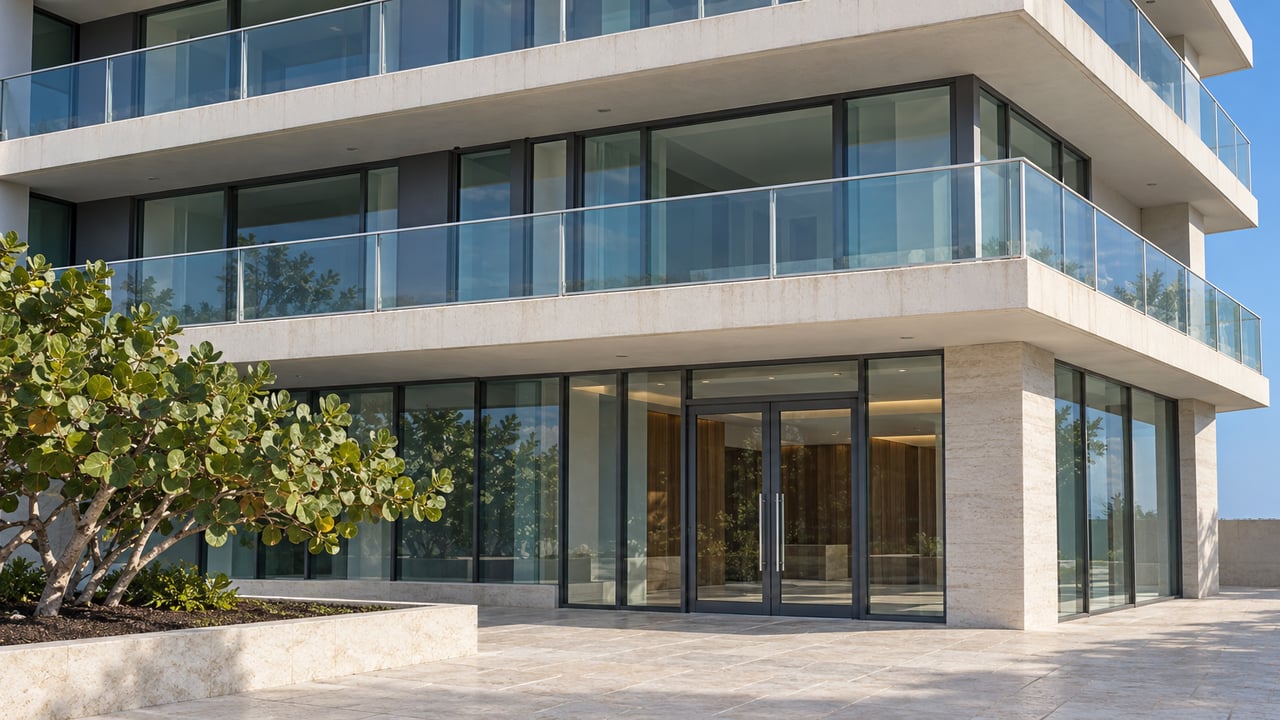
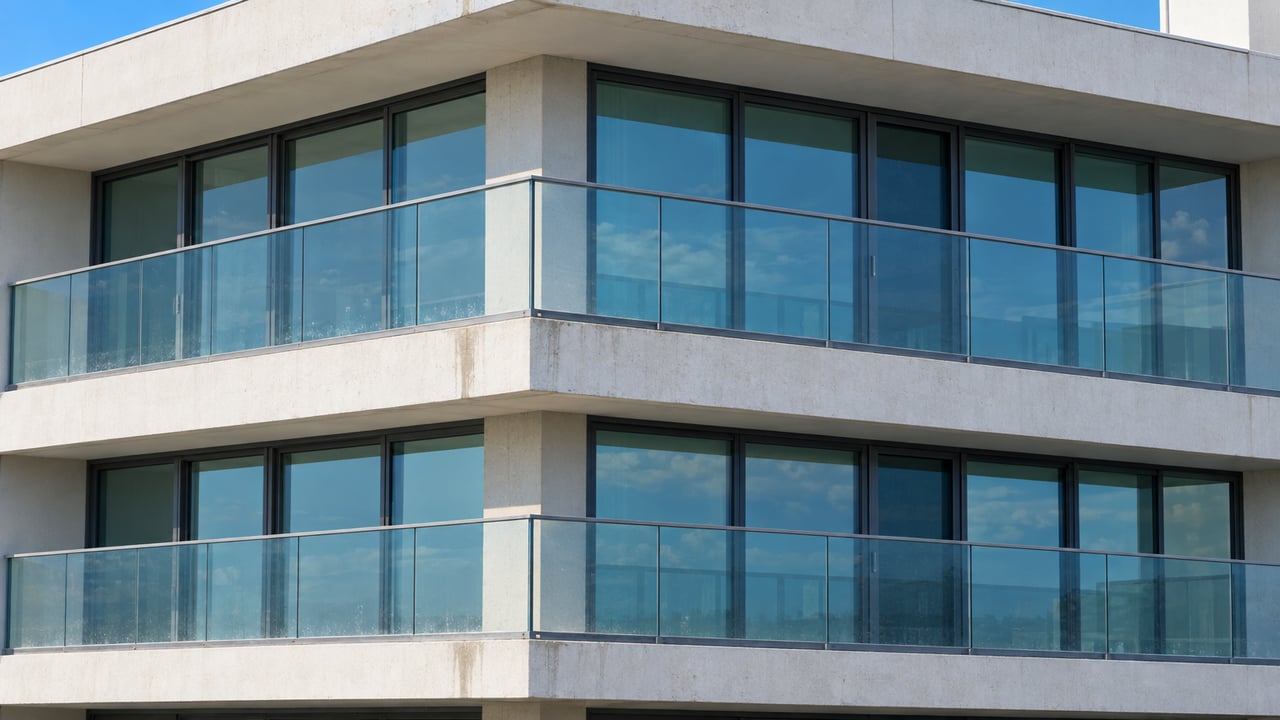
Further along the corridor, a 26-story residential tower called The William is set to break ground in 2026 at 2040 NE 163rd Street, on a site its developers, Blue Road and Ilia Development Group, acquired for $7.5 million in 2022. Construction is expected to take about three years, which puts the earliest move-in around summer 2029. A few blocks away, on Biscayne Boulevard just off the strip, Fortune International Group's Nexo Residences is a 15-story, 254-unit condo project with full home-sharing capability, expected to complete in 2026 with units ranging from studios to four-bedroom townhomes priced from the mid $600s.
The starkest example of the tension sits closer to street level. A proposal reviewed by the city's Planning and Zoning Board would replace the site currently occupied by CAO Bakery and Café, along with a massage business and a barber shop, with a 26-story apartment tower called Elevate North Miami Beach Apartments. That is not abstract redevelopment language. It is a working bakery on 163rd Street being planned out of existence.
What Actually Changes for Someone Eating Here Tonight
None of this changes what's on the counter at Kabobji tonight, or what Farofa is running as a lunch special, or whether Dumpling King still sells you a full order for under ten dollars. The towers rising around the corridor are real, and so is the possibility that a specific storefront gets replaced, as the CAO Bakery proposal shows. But the corridor's character was never built on any single address. It was built on the density of it, on the fact that you can eat Uzbek, Lebanese, Korean, Vietnamese, Chinese, Brazilian, Jamaican, and Ecuadorian food without leaving a three-mile stretch of road, and that density doesn't disappear because one parcel changes hands.
If you're picking a lane for tonight, a few starting points hold up regardless of what's happening across the street. Kabobji for mezze and shawarma if you want something you can order for a table of four without planning ahead. King Palace Chinese BBQ if you're feeding a group and want roast meats done right. Farofa for a fast, affordable Brazilian lunch on a weekday. Cotoa if you want to understand why national food writers started paying attention to this part of the county, though the room seats only 24 and reservations move fast.
The corridor is not static. Parts of it are being bought, entitled, and in at least one case proposed for towers that won't open for years. But right now, on the ground, the food scene that made 163rd worth knowing in the first place is not thinning out. If anything, a Michelin listing a few blocks off the strip suggests it's just getting started.
Jose Garza and the team at Levitate Real Estate track these blocks closely, not because every corner is for sale, but because knowing which parts of a corridor are changing and which have stayed exactly the same is the kind of detail that actually helps when you're trying to understand a neighborhood. If you're curious about what's happening on your own block in North Miami Beach, schedule a free consultation and we'll walk through it with you.