Dreaming of walkable downtown living or sunrise views over the Intracoastal from your balcony? Buying a condo in West Palm Beach can deliver that lifestyle, but the process has extra moving parts compared to a single-family home. In this guide, you’ll learn how to plan your financing, read condo documents, spot red flags, and set a realistic closing timeline in today’s Florida market. Let’s dive in.
West Palm Beach market snapshot
Condo supply and demand in Palm Beach County move differently than single-family homes. Local association reporting shows condo listings and seasonality are distinct, with some submarkets seeing a higher share of all-cash buyers. For current months-of-supply and sales by ZIP, review the latest MIAMI REALTORS county report for townhouses and condos. You can use their quarterly metrics to frame expectations before you write an offer. County-level condo metrics from MIAMI REALTORS.
Bottom line: inventory and pricing vary by building type, age, and waterfront exposure. Your due diligence should match the building you choose.
Choose your submarket fit
Waterfront Flagler towers
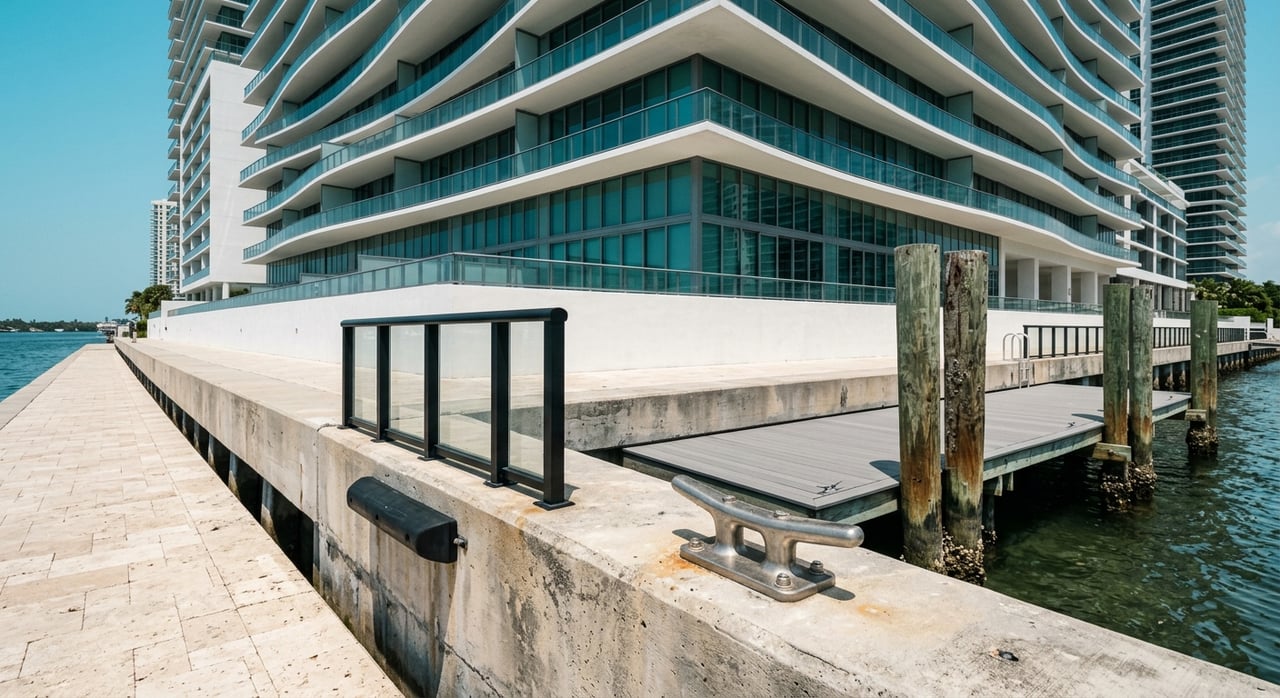
South Flagler Drive and the downtown waterfront attract buyers who value views, amenities, and proximity to the island and cultural spots. Expect larger high-rises, premium amenities, and higher association fees that reflect security, staff, and master insurance. Your focus here is on building-level health, reserves, and insurance strength.
Downtown and Rosemary Square
Mid and high-rise condos near restaurants and retail appeal if you want walkability and transit access. Many buildings offer fitness centers and pools. Review rental and leasing rules early if you are considering short-term or seasonal leasing.
Northwood, Flamingo Park, El Cid, Grandview Heights
These neighborhoods include older low-rises, condo conversions, and townhouse-style buildings. Prices may offer a lower entry point, but roofs, concrete, plumbing, and mechanical systems can be at mid-life. Factor in reserves, upcoming capital projects, and any structural reports. For historical context on the housing stock and era, see the Flamingo Park Historic Residential District overview.
Inland suburban communities
Garden-style or townhome-style condos in gated developments tend to have simpler amenities and different governance models. Review the budget and reserves to confirm long-term maintenance plans for roofs, pavement, and shared systems.
Step-by-step: how to buy a condo
Get financing ready
- Get pre-approved with a lender that knows Florida condo project reviews. Ask if they lend on buildings that are not currently approved by Fannie Mae or Freddie Mac, and what that means for your down payment and rate. Project-level standards around reserves, insurance, and delinquencies can affect loan eligibility. Learn the basics of project reviews from Fannie Mae’s guidance.
- Build a cushion for assessments and insurance. In South Florida, association insurance costs have been volatile, and special assessments are not uncommon. Consider higher loss-assessment limits on your HO-6 policy. An overview of unit-owner coverage and loss-assessment considerations is available in this Florida condo insurance guide.
Pre-offer checks
- Ask your agent to verify whether the building meets Fannie Mae or Freddie Mac standards and whether it appears on any FHA or VA approval lists. A current condo questionnaire or approval can streamline closing; a non-warrantable project can slow or limit financing.
- Request the association manager’s contact and the online records portal. Florida’s condominium law outlines transparency and document access requirements. Review posted notices and the most recent budget if available.
Make a smart offer
- Include contingencies for financing, inspection, and association document review.
- In a Florida condo resale, you are entitled to a set of key documents at the seller’s expense. Florida’s condominium statute lists the declaration, bylaws, rules, current budget and financials, and other items you have a right to review. The law also outlines rescission rights if the documents are not provided on time. Read the relevant sections in Florida Statutes Chapter 718 and align your contract timelines accordingly.
Documents you get by law
Ask for these items in one organized package so you can review within your contingency window. Florida law supports your right to receive them in a resale.
- Declaration of condominium and all amendments
- Articles and bylaws of the association
- Rules and regulations
- Current year budget and most recent annual financial statements
- Structural integrity reserve study (SIRS) if required, or a statement if none exists
- Inspector-prepared milestone inspection summary if the building is subject to it
- Board meeting minutes from the past 12 to 24 months
- Evidence of insurance for the association, including master policy limits and deductibles, and whether wind and flood are covered
- List of any pending or planned special assessments and recent capital projects
- Any pending litigation involving the association
- Management and major vendor contracts
- Leasing and rental rules, including caps and approval processes
You can confirm your document rights and rescission timelines in Chapter 718.
Order the estoppel certificate
Your closing team will order an estoppel certificate from the association. It states any money owed, transfer requirements, parking and approval rules, special assessments, and insurance contacts. Under Florida law, associations must deliver the estoppel within 10 business days of a proper request, and the estoppel is valid for a set period once issued. If buyers and lenders rely on the estoppel, they are protected for the amounts reported. See estoppel timing and fee rules in Chapter 718.
Inspect the unit and the building
- Schedule a thorough unit inspection with a licensed home inspector. Ask them to focus on water intrusion, windows and doors, and interior systems that fall under owner responsibility.
- Review building-level reports. Florida now requires milestone inspections for many buildings and structural integrity reserve studies that inform reserves and funding. Lenders and insurers often ask for these. Learn the framework and timelines in this summary of state requirements after Senate Bill 4-D from the South Florida Property Management Association.
- Consider an engineer’s review for older or waterfront buildings if you see signs of concrete spalling, balcony issues, garage slab cracking, or water intrusion.
- Check flood exposure using FEMA’s official tool, then ask whether the association carries a master flood policy and whether you need separate coverage. Start with the FEMA Map Service Center.
Red flags to watch
- Missing or thin reserves, no SIRS, or a budget that does not align with the reserve study’s recommendations.
- Association litigation that could create repair costs or liability. Lenders weigh project litigation when deciding if a building meets standards. See how project issues can affect financing in Fannie Mae’s project guidance.
- Large recent special assessments, or a plan to levy a significant assessment within the next 12 months.
- Gaps or high deductibles in the master insurance policy, or frequent non-renewals by carriers. Regional carriers have tightened underwriting and raised rates, which can impact fees and coverage, as reported by Insurance Journal.
- High owner delinquency rates. If more than roughly 15 percent of owners are past due on assessments, many lenders view that as a project red flag. See lender explanations in this condo mortgage overview.
Financing and insurance realities
Project warrantability matters
Conventional loans often depend on whether the project meets Fannie Mae and Freddie Mac standards for reserves, insurance, owner occupancy, special assessments, and delinquencies. A non-warrantable building can require a larger down payment or specialty financing. Ask your lender to check project status early using a condo questionnaire and their project review process. Refer to Fannie Mae’s project-review FAQs for common issues.
FHA and VA differences
FHA and VA loans require their own condo approvals. If your building is not on the approved list, your lender may request approval, which adds time. Confirm with your lender at pre-approval so your offer timeline matches your loan type. Read a consumer-friendly summary of approval basics in this FHA-approved condo explainer.
Association master insurance
Florida associations have faced premium increases and non-renewals, which may lead to higher dues or special assessments. Review the master policy’s limits and deductibles and confirm wind and flood coverage. Then tailor your HO-6 policy with higher loss-assessment coverage if needed. Get market context from Insurance Journal and unit-owner coverage insights in the condo insurance guide.
Timeline and team
Typical closing timelines
A clean condo resale with conventional financing often closes in 30 to 45 days. If your lender needs a full condo project review, an association questionnaire, or if the association is slow to issue documents or the estoppel, plan for an additional 2 to 6 weeks. FHA or VA approvals can extend the total to 45 to 90 days or more, especially if the building needs approval updates. Build cushion into moving and lease-end dates so you are not rushing.
Build your local team
- Real estate agent: choose one with multiple recent West Palm Beach condo closings. Ask how they handle condo questionnaires, estoppels, and association approvals.
- Local lender: confirm they lend on non-warrantable projects and outline down payment, rate, and timeline differences by loan type.
- Home inspector: ensure they document water entry, windows and doors, and any interior elements outside association responsibility.
- Structural engineer: if the building is older or has a recent milestone report, hire a Florida PE or architect to review key findings and repair plans.
- Title/closing: confirm association lien searches, transfer fees, and any local recording requirements.
- Insurance agent: request HO-6 quotes with higher loss-assessment limits and evaluate the association’s master policy details.
Quick buyer checklist
- Get pre-approved with a condo-experienced lender and confirm non-warrantable options.
- Set a contingency budget for higher HOA dues, insurance changes, or special assessments.
- Verify project status with your lender and request the condo questionnaire early.
- Ask for association docs at offer acceptance: declaration, bylaws, rules, budget, financials, SIRS, milestone summary, minutes, master insurance, litigation, contracts, rental rules, and assessments.
- Order the estoppel certificate promptly after the effective date.
- Schedule your unit inspection and review building reports with your inspector or engineer.
- Check flood zone on the FEMA Map Service Center, and confirm master flood coverage.
- Watch the red flags: thin reserves, big assessments, litigation, insurance gaps, high delinquencies.
- Keep your timeline flexible if the project needs additional approvals.
Local safety rules to know
After the Surfside tragedy, Florida required milestone inspections and structural integrity reserve studies for many 3-plus-story buildings. Age triggers and 10-year cycles apply, and older buildings faced accelerated timelines. These reports influence reserves and can prompt special assessments, so ask for current copies during your contingency window. For a practical overview of the statewide rules, review this SFPMA summary.
Palm Beach County did not historically run a uniform 40-year recertification program like Miami-Dade or Broward, and some municipalities created their own processes. Always confirm any city-specific deadlines and submission rules with the City of West Palm Beach Building and Development Services. For context on the county landscape, see this local news report.
Final thoughts
Buying a condo in West Palm Beach is about matching lifestyle with building health and financial strength. When you pair smart financing with a deep review of association documents, reserves, insurance, and safety reports, you put yourself in position to enjoy the waterfront or downtown energy with confidence. If you want a local, boutique team that handles the details and communicates clearly from pre-approval to keys in hand, connect with Levitate Real Estate. We are ready to help you move with clarity.
FAQs
What is an estoppel certificate in a Florida condo sale?
- It is an association-issued statement of money owed, transfer rules, special assessments, and key contacts that lenders and buyers rely on, with delivery timing and fee rules set in Florida Statutes Chapter 718.
How do special assessments in West Palm Beach condos affect buyers?
- Assessments can increase monthly costs or require lump-sum payments, and they may signal upcoming repairs; review meeting minutes, SIRS, and milestone summaries before you commit.
Are waterfront West Palm Beach condos harder to insure?
- Waterfront exposure can raise premiums and deductibles, and carriers have tightened underwriting in Florida, so review the master policy and factor higher HO-6 loss-assessment coverage into your budget.
What makes a condo project non-warrantable for lenders?
- Issues like low reserves, litigation, high delinquencies, large assessments, or insurance gaps can cause a project to miss Fannie Mae and Freddie Mac standards, which limits conventional loan options.
How long does an FHA or VA condo loan take to close?
- If the building is already approved, plan on roughly 45 to 60 days; if approvals are needed or expired, expect more time and build cushion into your contract dates.
How can I check if a West Palm Beach condo is in a flood zone?
- Enter the address in FEMA’s Map Service Center, then ask the association about its master flood policy and whether your lender requires separate unit-level flood coverage.