If you are looking for a South Florida neighborhood where you can step বাইরে for dinner, catch public art on a casual walk, and still have park space close by, Downtown Hollywood and Young Circle deserve a closer look. This part of Hollywood offers a different pace than a typical suburban setup, with a more urban main-street feel, mixed-use buildings, and a steady calendar of events. If you want to understand what daily life really feels like here, this guide will walk you through the rhythm, housing, and everyday practical details. Let’s dive in.
What Downtown Hollywood Feels Like
Downtown Hollywood and the Young Circle area serve as the city’s historic mixed-use core. According to the Community Redevelopment Agency, the district covers about 580 acres and centers on Hollywood Boulevard and Harrison Street, with access from US-1, Hollywood Boulevard, and the Dixie Highway/FEC corridor.
In practical terms, that means your day can happen in a fairly compact area. Residential spaces, restaurants, offices, civic uses, and public gathering spots sit close together, creating a neighborhood that feels more like an urban district than a spread-out suburb.
The area also has visible historic character. Some of the oldest buildings date to the 1920s, which helps explain why the streetscape feels established and layered rather than newly built all at once.
Why Young Circle Anchors Daily Life
ArtsPark at Young Circle is the neighborhood’s centerpiece. This 10-acre park sits at US-1 and Hollywood Boulevard and functions as both a green space and a public activity hub.
You have more here than just a lawn and sidewalks. The park includes an amphitheater, gallery, glass-blowing and jewelry studios, open green space, a playground, splash pad, dog park, and a 0.423-mile walking path.
That mix shapes the area’s daily rhythm. On any given day, you might see people walking dogs, using the path for a quick loop, spending time at the playground, or gathering for a public event.
Walkability and Everyday Convenience
One of the biggest draws of Downtown Hollywood is walkability. City and CRA materials describe the district as a compact main-street environment with tree-lined sidewalks and a traditional retail pattern, which supports a lifestyle where dining, art, and public space are close together.
If you like the idea of leaving your car parked for part of the day, this area may appeal to you. You can often combine errands, meals, and leisure time within the same general district rather than driving from one separate shopping center to another.
That said, this is still a busier urban setting. If you prefer quieter streets, large private yards, and a more residential-only atmosphere, the feel here may be different from what you want.
Dining Is Part of the Routine
Downtown Hollywood has a strong restaurant identity. The city describes the area as home to dozens of bars and restaurants, with cuisine options that include French, Greek, Mediterranean, Peruvian, Vietnamese, and more.
For you, that means dining out can feel like part of normal daily life rather than an occasional destination trip. The mix ranges from casual cafés to al fresco seating and more chef-driven dining rooms, so you have variety whether you want a quick coffee, a weeknight dinner, or a more social night out.
This dining base also adds steady street activity. Even if you are not planning a full evening out, the restaurant scene contributes to the neighborhood’s active, lived-in feel.
Arts and Events Shape the Neighborhood
If you value an area with regular public programming, this district stands out. The CRA’s monthly ArtWalk includes gallery visits, an artisan market, live music, mural tours, and pop-up shopping.
The city also highlights recurring movie nights, concerts, and community festivals at ArtsPark. On top of that, the Downtown Hollywood Mural Project adds curated outdoor murals across the district, and the Art and Culture Center/Hollywood brings exhibitions, performances, and education programs into the downtown mix.
This matters because neighborhood energy is not limited to restaurants alone. The arts presence gives the area an identity that feels creative, social, and public-facing throughout the year.
Green Space Beyond the Streetscape
Even in a more urban neighborhood, access to outdoor space matters. ArtsPark is the largest open-space feature nearby, but it is not the only place where you can slow down and spend time outside.
Anniversary Park sits in the heart of downtown and includes magnolia and oak trees, bamboo, flowering shrubs, benches, game tables, and a shaded playground. Together, ArtsPark and Anniversary Park help balance the district’s hardscape and mixed-use density with usable green space.
If you are wondering whether the area offers public places for casual outdoor time, the answer is yes. The green space may look different from a low-density suburban park network, but it is woven into the downtown experience.
Getting Around and Parking
A common concern with walkable urban areas is whether getting around becomes a hassle. In Downtown Hollywood, the answer is more balanced than many people expect.
Hollywood offers the free Holly-Go community shuttle and the Sun Shuttle on-demand service. For parking, the city identifies downtown options that include garages, on-street meters, valet, and facilities such as University Station, Van Buren, Taylor Street, and Radius.
So, parking is not impossible, but it is managed. On busy restaurant or event nights, you should expect to rely on garages, meters, or valet instead of assuming easy front-door parking everywhere.
What Housing Looks Like Here
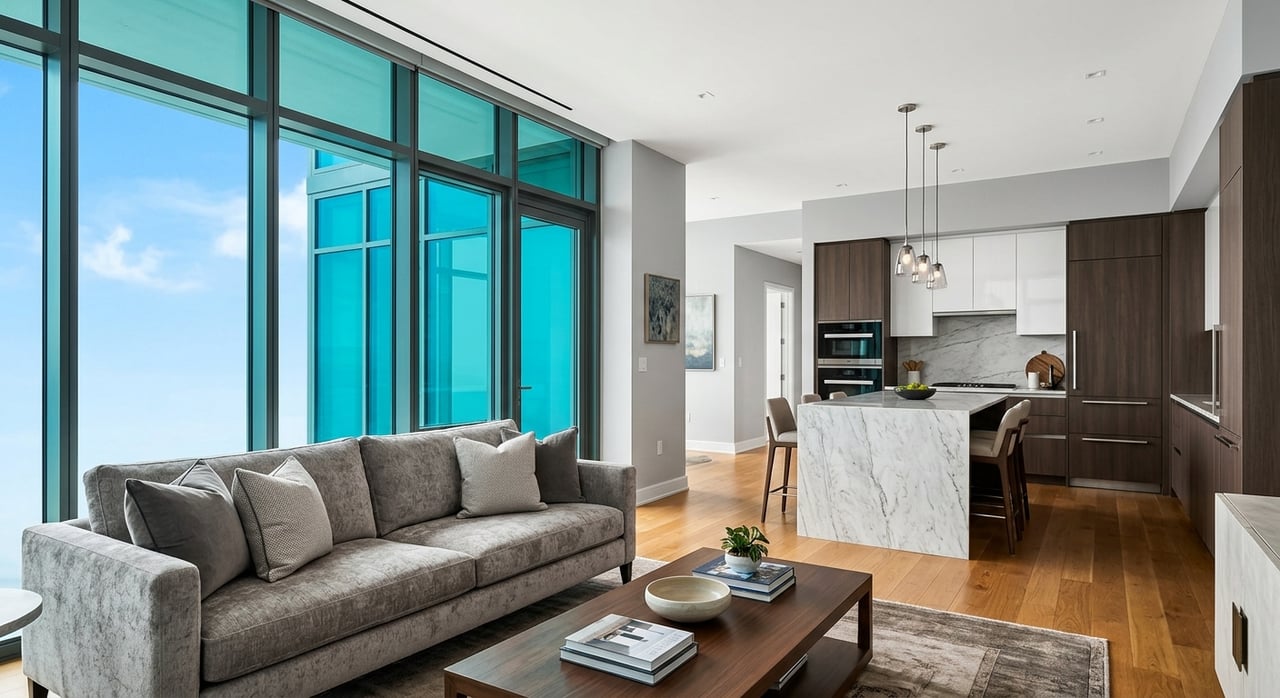
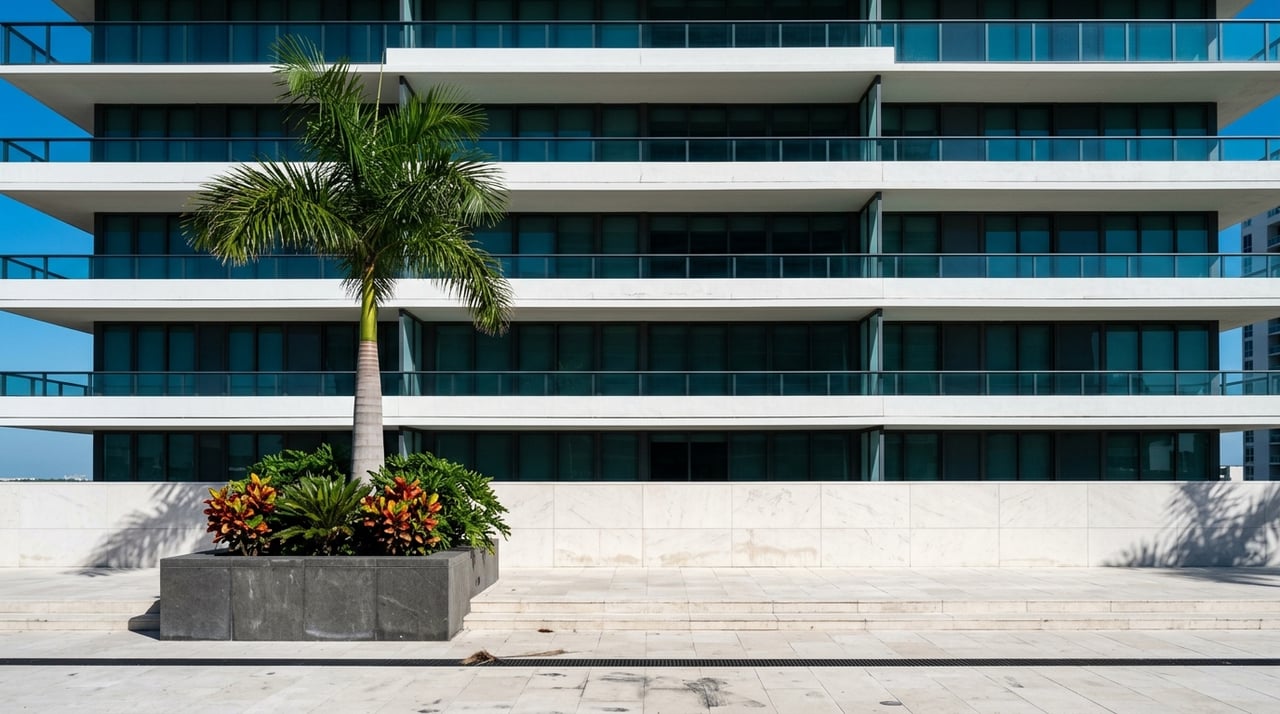
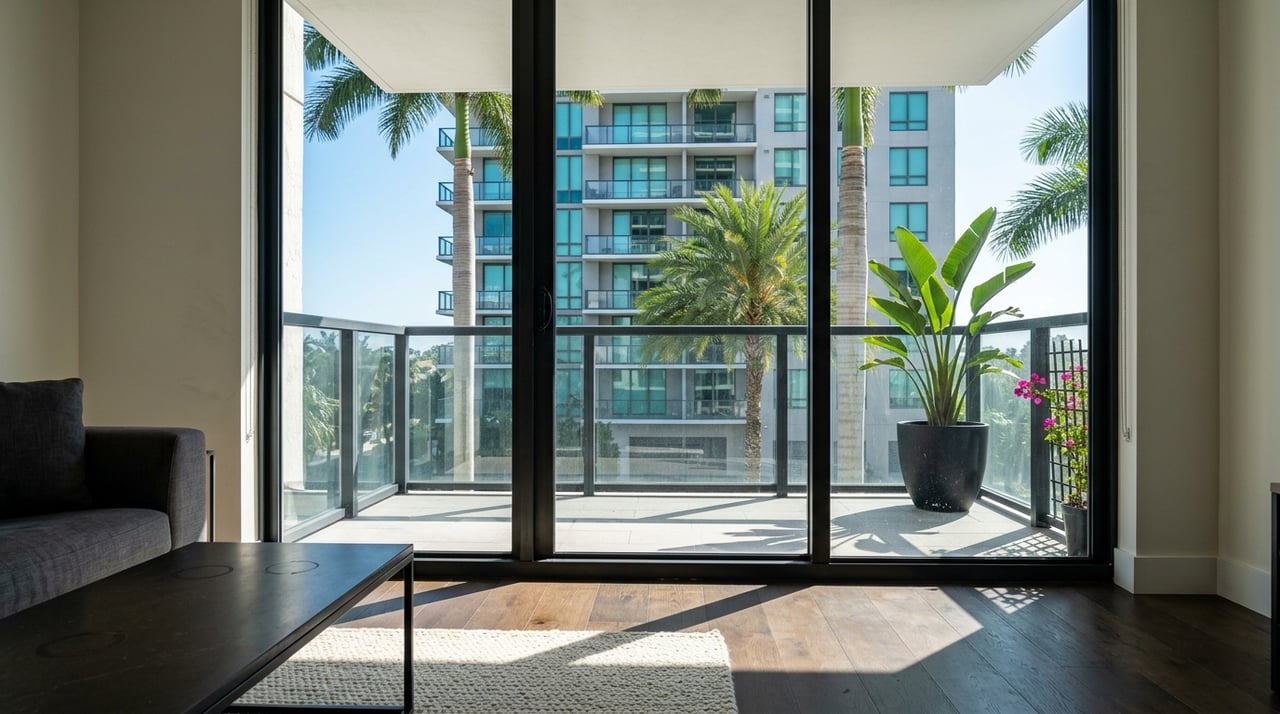
Housing in Downtown Hollywood is mostly higher-density and multifamily. A 2025 city market report says the district has about 5,733 multifamily units, with average rents around $2,445 per unit.
Recent and newly delivered projects include University Station, Hollywood Heights, Nine Hollywood, Bread Building, The Holly, The Tropic, and REVV Hollywood. That pipeline reinforces the area’s identity as a neighborhood centered on apartment and condo-style living rather than detached single-family homes.
For buyers who prefer lower-maintenance living, that can be a major advantage. If you want a private yard and a more traditional single-family home setup, you will likely find fewer options in this immediate downtown core.
Condo and Townhome Options to Know
If you are shopping for ownership opportunities, several established and newer projects help define the local housing mix. The CRA describes Radius as the area’s first major mixed-use residential project, with 311 owner-occupied units above commercial space.
Hollywood Station adds another layer of variety, with 214 condominiums, 43 townhomes, and 93 lofts. More recent city documents also cite Monroe Residences, a 40-unit condo building with rooftop green space, a pool, gym, and barbecue or picnic area.
Taken together, these examples show what many buyers can expect here: mixed-use buildings, condo inventory, some townhome opportunities, and amenity-driven living in a walkable setting.
Who This Area Fits Best
Downtown Hollywood and Young Circle can be a strong fit if you want a walkable routine, close access to dining and events, and housing that leans condo, loft, apartment, or townhome rather than detached homeownership. The neighborhood also makes sense if you are comfortable with a busier street scene and ongoing redevelopment.
This setting may especially appeal to buyers, renters, and investors who value convenience and mixed-use living. City planning documents frame the corridor as a transit-oriented district with pedestrian connectivity, active ground-floor uses, and a variety of housing types.
That does not make it the right fit for everyone. But if your ideal day includes coffee, a walk through a public park, dinner nearby, and the option to catch a community event without leaving the neighborhood, Downtown Hollywood offers a compelling lifestyle.
What to Consider Before You Move
Before choosing this area, it helps to think beyond the highlights and focus on fit. A neighborhood can be attractive on paper, but the day-to-day details matter most.
Ask yourself questions like these:
- Do you want a walkable, mixed-use setting?
- Are you comfortable with structured parking, meters, or valet on busy nights?
- Would you prefer a condo, loft, apartment, or townhome over a detached house?
- Do you enjoy being close to events, restaurants, and public activity?
- Are you looking for a neighborhood with both green space and an urban street scene?
If you answer yes to most of those, Downtown Hollywood and Young Circle may be worth a serious look. The lifestyle here is less about separation and more about access, activity, and convenience.
If you want help comparing condo options, townhomes, rental opportunities, or investment potential in Hollywood, Levitate Real Estate can help you navigate the neighborhood with a local, data-informed approach.
FAQs
Is Downtown Hollywood near Young Circle walkable for daily errands and dining?
- Yes. The district is designed around a compact main-street core with shops, restaurants, galleries, and park space close together.
Is parking difficult in Downtown Hollywood and Young Circle?
- No, but it is managed. The area uses garages, on-street meters, valet, and several downtown parking facilities, especially during busier event nights.
What public parks are in Downtown Hollywood near Young Circle?
- ArtsPark at Young Circle and Anniversary Park are the main public green spaces highlighted by the city in the downtown area.
What types of homes are common in Downtown Hollywood?
- Most housing is multifamily, including apartments, condos, loft-style residences, and some townhomes within mixed-use or higher-density projects.
Is Downtown Hollywood a good fit if you want a quieter suburban feel?
- It may not be the best match if you want a quieter, low-density environment, since this area is centered on walkability, mixed-use buildings, events, and a more active street scene.
Are there regular arts and community events in Downtown Hollywood?
- Yes. The area is known for ArtWalk, public murals, movie nights, concerts, festivals, and programming connected to ArtsPark and the local arts district.