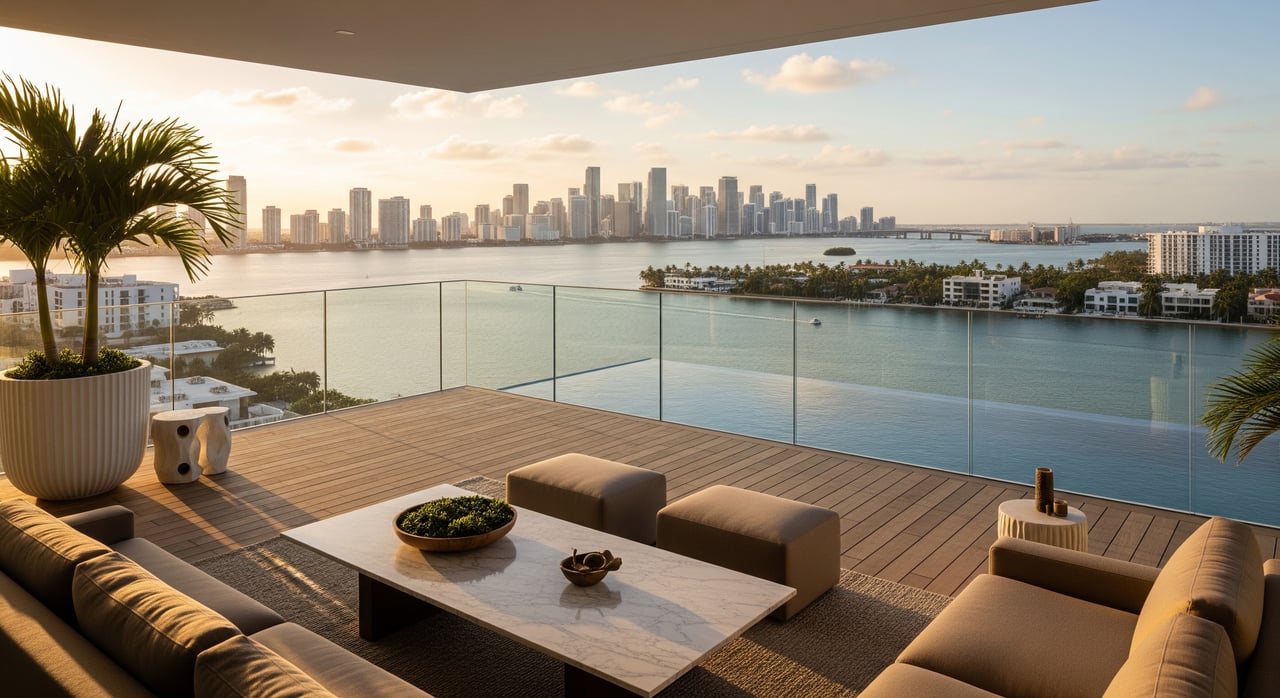
Torn between Brickell and Downtown Miami? You are not alone. Both offer skyline views, walkable blocks and high-rise convenience, but the day-to-day feel can be very different once you settle in. The good news is you can pick a neighborhood that fits your lifestyle, commute and budget without second-guessing your choice.
In this guide, you will compare the vibe, housing options, transit access, lifestyle amenities and resilience factors in Brickell and Downtown. You will also get a practical checklist to evaluate any building like a pro. Let’s dive in.
Brickell vs. Downtown at a glance
- Brickell feels like an upscale residential district with restaurants and residents out most evenings. Downtown reads as Miami’s civic and cultural core with energy that spikes around events and museum nights.
- Brickell’s condo stock skews newer and luxury, which often means higher prices and HOA fees. Downtown offers a wider mix, including older buildings and boutique conversions that can stretch your dollar.
- Both are walkable and transit friendly, but Brickell edges closer to Coconut Grove and Coral Gables by car, while Downtown sits beside Museum Park and Bayfront Park.
Daily vibe and lifestyle
Brickell’s rhythm
Brickell started as the city’s financial district and evolved into a dense residential neighborhood. You will find high-rise living with hotel-like amenities, ground-floor retail and a steady flow of residents day and night. The anchors are Brickell City Centre and Mary Brickell Village, which pack in shopping, dining and grocery options.
If you prefer a quieter pocket, Brickell Key offers a calmer, waterfront setting with promenades and a more intimate feel. The overall experience leans polished and professional with an emphasis on upscale restaurants and lounges.
Downtown’s energy
Downtown is Miami’s civic and cultural heart. During the day you have government offices, businesses and visitors. Evenings draw you to arts events, concerts and museum programs near Pérez Art Museum Miami and Frost Science, plus festivals and shows that cycle through the arena area and Bayfront Park.
Residential pockets are growing and varied, from older towers to new luxury and value-oriented options. The mood shifts more with the calendar. If you like culture-forward living with big public spaces and events, Downtown delivers.
Housing and buildings
Condo types and amenities
- Brickell: Predominantly high-rise condominiums, many built in the 2000s to 2020s, with full-service amenities. Expect concierge, valet, multiple pools, large fitness centers, business lounges and private parking. Newer towers often come with extensive amenity decks and resort-style services.
- Downtown: A more mixed inventory that runs from mid-century towers to new luxury high-rises and boutique buildings. Amenity packages range from basic and budget-friendly to full-service luxury on par with Brickell.
Costs and what to budget
Brickell generally commands higher median sale prices and rents due to its concentration of new luxury inventory and proximity to the financial district. Downtown spans a wider range, and older buildings can present opportunities if you want space or value without top-tier amenities.
For both neighborhoods, plan for these costs:
- HOA and condo fees, which are often higher in luxury towers and typically cover building insurance, security, maintenance and amenities.
- Property and flood insurance, which matter in coastal high-rise living.
- Taxes and parking fees, especially if you need additional spaces or guest parking.
Renting and investment notes
Demand runs strong in both areas among urban renters. Brickell tends to attract higher-rent professionals, while Downtown pulls a broader mix, including renters drawn to arts and event venues.
If you plan to offset costs with rentals, review building bylaws and local ordinances before assuming short-term rental income. Many associations restrict or prohibit short-term rentals, and lease minimums are common.
Getting around
Transit and walkability
Both neighborhoods are among Miami’s most walkable areas and share excellent transit access:
- Metromover connects Brickell and Downtown for free local circulation and links to Metrorail.
- Metrorail expands your reach across the county with transfer points at Brickell and Government Center.
- Brightline’s MiamiCentral station sits on the north side of the urban core and simplifies regional trips.
- Buses, ride-share, scooters and bike share are widely available, with bike lanes expanding by corridor.
Commutes, parking and traffic
Travel between Brickell and Downtown is quick, often 15 minutes or less. Brickell is convenient for jobs in the financial district and offers faster access to Coconut Grove and Coral Gables. Downtown puts you closer to Government Center and the Museum Park corridor.
Car ownership is still common. Parking can be limited or costly depending on the building, and event days can slow traffic, especially around the arena and Bayfront area. If driving is central to your routine, test your commute during peak hours before you commit.
Resilience and due diligence
Flooding, insurance and sea-level rise
Both Brickell and Downtown are low-lying and exposed to tidal flooding, storm surge and long-term sea-level rise. Many properties fall within FEMA flood zones. To protect your investment, you should:
- Confirm the building’s elevation and the height of the first occupied floor relative to base flood elevation.
- Review elevation certificates, any flood history and building mitigation measures like pumps or raised systems.
- Verify flood insurance requirements and premiums for the specific unit.
- Check planned resilience projects in the immediate area, including stormwater upgrades and road elevations.
These factors can influence carrying costs and future resale appeal.
Building safety and HOA health
In older towers, structural maintenance and reserves deserve close attention. Ask for recent engineering reports, inspection results and capital improvement plans. Review the HOA’s budget, reserve studies and any special assessments. Strong building governance and funding can make a meaningful difference in your long-term costs and peace of mind.
Parks, dining and culture
Brickell highlights
Brickell’s draw is the concentration of restaurants, bars and retail within steps of home. Brickell City Centre and Mary Brickell Village streamline errands and nights out. Green spaces are more pocket-sized, but waterfront promenades and Brickell Key’s paths make quick outdoor breaks part of your routine.
Downtown highlights
Downtown gives you signature public spaces and cultural anchors. Bayfront Park and Museum Park host concerts, festivals and fitness events on weekends. Pérez Art Museum Miami and Frost Science offer rotating exhibits and programs that can fill your calendar.
Which neighborhood fits you
- Choose Brickell if you want a polished, residential feel with consistent evening activity and easy access to the financial district. Brickell Key offers a quieter micro-neighborhood if you want calm with quick access to the action.
- Choose Downtown if you want larger parks, big cultural institutions and a broader mix of building styles and price points. If you are energized by event nights and museum programming, this side of the river may be your place.
Either way, plan to walk the blocks you are considering at different times of day. The vibe shifts by street, and small differences in building policies, HOA health and flood mitigation can matter more than the neighborhood label.
Buyer and renter checklist
Use this quick list to compare buildings and units on equal footing:
- Confirm current price or rent and review comparable sales or leases in the building and immediate area.
- Read HOA documents for rental rules, pet policies, investor quotas, minimum lease terms and any caps on rentals.
- Request building maintenance and inspection reports, including recent engineering or structural assessments and planned projects.
- Verify flood risk: FEMA flood zone, building elevation, flood history, required insurance and estimated premiums.
- Test commute times to work, school or frequent destinations during peak hours.
- Check proximity to groceries, medical care, parks and transit stops.
- Confirm short-term rental ordinances and condo restrictions if you are considering STR income.
- Visit on weekdays, evenings and weekends to evaluate noise, pedestrian activity and your comfort with the surroundings.
- Review parking availability and costs for assigned and guest spaces.
- For investors, analyze rent comps, likely vacancy and HOA rules that could affect returns.
Next steps
If you are serious about a Brickell or Downtown move, your best next step is to tour a short list of buildings that match your budget and vibe, then review HOA and building documents before you bid. A local team can streamline that process, from curated tours and comps to insurance quotes and HOA due diligence.
When you are ready, connect with the neighborhood-first team at Levitate Real Estate for buyer or renter representation, property management or investor services. We will build a plan around your goals, then guide you from shortlist to closing with clarity and speed.
FAQs
Which is better for nightlife, Brickell or Downtown?
- Brickell typically offers more resident-focused bars and late-night restaurants, while Downtown’s energy often peaks around concerts, festivals and museum events.
Is Brickell always more expensive than Downtown Miami?
- Brickell often carries higher median prices and rents due to newer luxury towers, but Downtown has a wider range, including older buildings that can offer value.
How big a concern is flooding in Brickell and Downtown?
- Flood risk is a material factor in both areas, so you should review flood zones, building elevation, insurance requirements and any mitigation measures for each property.
Can I buy a condo and do short-term rentals?
- Possibly, but many associations restrict or prohibit short-term rentals, so confirm condo bylaws and local ordinances before assuming rental income.
Which neighborhood is better for families with school needs?
- Both areas support urban condo living with public school options, but many families weigh private schools in nearby areas and consider commute tradeoffs accordingly.
How is parking in Brickell and Downtown?
- Parking is building specific, often limited and may carry added fees, so verify assigned spaces, guest policies and monthly costs before you commit.